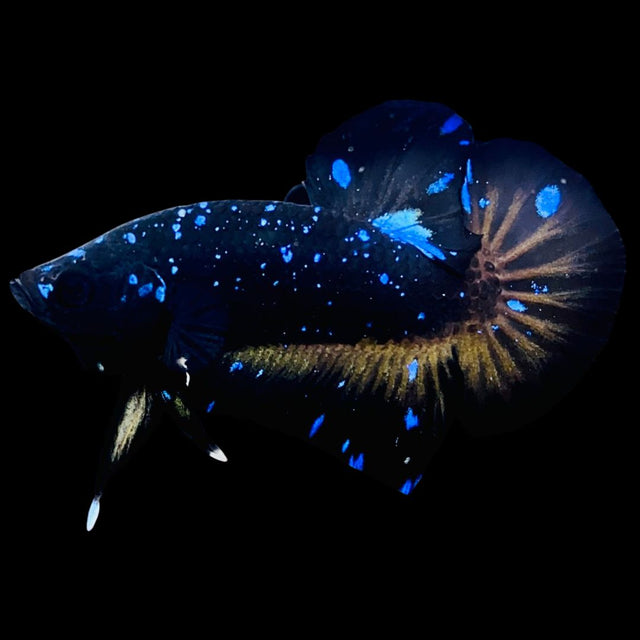
Quick Take on Thailand Betta Fish
If you're serious about betta fish, Thailand Betta Fish offers a curated selection that goes beyond the typical pet store fare. Their inventory includes rare grades, flowerhorn variants, competition-grade fish, crowntails, wild bettas, and halfmoon specimens—each with its own care requirements and aesthetic appeal. The pricing structure reflects quality tiers: entry-level fish start lower, while championship-caliber specimens command premium prices. Their direct-sourcing model means you're buying from expertise rather than middlemen. The site operates straightforwardly, with product feeds updated regularly and transparent pricing. Shipping and handling details are part of the checkout experience. For aquarium enthusiasts who want documented lineage or specific coloration traits, this is a more specialized destination than mass-market retailers.
What Thailand Betta Fish Actually Sells
The store maintains separate product lines for different betta types and quality levels. The Rare Grade collection is their largest offering, spanning over 200 distinct fish with unique patterns, colors, and genetic markers. The Flowerhorn line features fish known for elaborate finnage and bold markings. Competition Grade specimens are curated for show enthusiasts, bred to exacting standards for body shape, fin presentation, and color saturation. Specialized lines include crowntail, wild betta, and halfmoon varieties—each suited to different tank setups and keeper preferences. Prices across all lines reflect the rarity, breeding difficulty, and genetic purity of each fish. The product feed updates regularly, so inventory varies by season and breeding cycles. Unlike general pet supply sites, Thailand Betta Fish treats each fish as an individual rather than a commodity, which explains the price diversity within their range.
Who Buys From Thailand Betta Fish
This store attracts three main customer segments. First are serious hobbyists and aquascapers who view their betta tank as a long-term investment and want fish with documented genetics and stable temperament. Second are competitive breeders preparing fish for shows, where specific traits in body structure and coloration matter for judging. Third are collectors who appreciate rare morphs and variants—the kind of keepers who study genetics, maintain detailed records, and take pride in uncommon color combinations or fin types. Casual pet owners looking for a basic betta for a small tank might find the selection and price point excessive; this retailer caters to people who understand betta care depth and have appropriate housing (minimum 5-gallon tanks with stable conditions, not bowls).
How Pricing Works at Thailand Betta Fish
The store's USD 40–170 range reflects quality stratification. Entry-level rare grades start near the lower end, representing young fish, common colorations, or slight imperfections in fin form. Mid-range specimens (USD 70–120) typically showcase excellent color depth, full fin development, and stable temperament. Premium competition-grade and rare morphs occupy the upper range, justifying their cost through breeding provenance, genetic rarity, or championship potential. Flowerhorn varieties and wild bettas vary within this spectrum depending on age and exact type. The pricing is direct and non-arbitrary—it reflects actual supply constraints of breeding, genetic rarity, and the expertise required to maintain healthy stock. There are no artificial msrp inflations; the range simply encompasses the diversity of what skilled breeders can produce. Seasonal factors and breeding cycles can influence availability and pricing of specific lines, though the store maintains consistent stock rotation.
Common questions
What's the difference between Rare Grade and Competition Grade?
Rare Grade fish are selected for unique coloration, pattern, or genetic markers and represent individual specimens. Competition Grade fish meet stricter standards for body symmetry, fin presentation, and color saturation required for show judging. Competition Grade typically commands higher prices.
Do these betta fish require special tank setup?
All bettas need at least 5 gallons with stable temperature, filtration, and hiding spots. Competition and rare grades often come from sophisticated breeding programs, so they may be more sensitive to water chemistry and temperature swings than standard pet-store bettas.