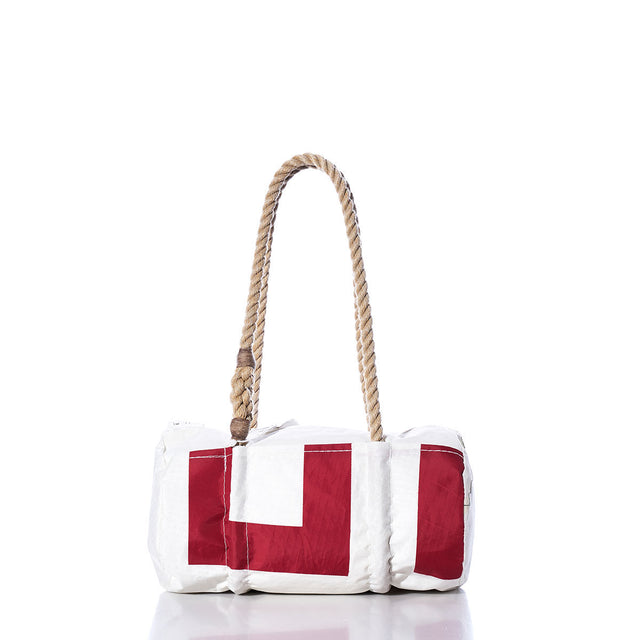
Who Sea Bags Is Built For
Sea Bags appeals to anyone seeking durable, eco-conscious totes with character. The brand was born on Portland's working waterfront over two decades ago, originally crafting sail bags for local fishermen and professionals who needed tough, reliable carriers. Today, the lineup spans practical everyday totes to statement accessories, drawing both utility-focused shoppers and those who value sustainable design. If you appreciate bags that tell a story—literally made from retired sails—and don't mind paying for American craftsmanship and materials kept out of landfills, Sea Bags' ethos aligns with that mindset. The brand's Maine heritage and continued production on the wharf where it started add authentic character that appeals to those invested in supporting domestic manufacturing.
What Sea Bags Actually Sells
The core of Sea Bags' lineup is their signature tote bags, built from recycled sail cloth sourced from days on the water. The collection spans over 250 products ranging from entry-level to premium price points. Their Wharf Tote, the modern descendant of the original 'Jeb Tote' made for a local fisherman decades ago, remains a flagship design. Beyond totes, the brand offers coordinating accessories—all sharing the same commitment to recycled sail cloth and Maine-based handcrafting. Each bag is intentionally designed to last years, positioning these as keepsakes rather than disposable fashion. The nautical aesthetic runs throughout, drawing inspiration from the Maine coast and working waterfront where the brand is headquartered. Product quality centers on durability; many customers report their bags outlasting typical retailers' totes by years.
Pricing Strategy and Value
Sea Bags prices range from around USD 36 to USD 285 across their full collection, with most core totes landing in the mid-range. This sits higher than mass-market tote producers but aligns with brands emphasizing American manufacturing, sustainable materials, and generational durability. You're paying for sail cloth reclamation, handcrafting in Maine, and a product designed to outlast fast-fashion alternatives. The pricing reflects honest production costs—materials sourced from retired sails, domestic labor, and quality construction. Compared to disposable tote options, the per-use cost of a Sea Bags tote that remains intact for decades is often lower over time.
Before You Order from Sea Bags
Sea Bags' entire collection is made to order and handcrafted, so lead times may differ from mass-produced retailers; confirm shipping expectations before checkout. All items are produced in Portland, Maine, so US domestic shipping is standard. Since these are durable, long-lasting pieces, focus your purchase on designs you'll genuinely use repeatedly rather than impulse buys. The recycled sail cloth material develops character over time, patina forming with regular use; some shoppers love this evolution, while others prefer consistent appearance. Review the specific product details for each tote, as dimensions and sail cloth origins vary—Sea Bags includes sourcing stories for many pieces, which adds to the buying experience if that heritage matters to you.
Common questions
What exactly is recycled sail cloth?
Sea Bags sources their materials from retired sails conditioned by actual days on the water. These sails are then carefully transformed into tote bags and accessories, keeping durable fabric out of landfills and preserving the character and durability of maritime materials.
How long do Sea Bags totes typically last?
Sea Bags designs their totes as keepsakes meant to be used and cherished for years. The original 'Jeb Tote' made for a local fisherman over two decades ago remains intact today, exemplifying the durability customers can expect from proper use and care.