Who Should Shop Here
Public Goods appeals to shoppers prioritizing health, sustainability, and thoughtful design in everyday products. If you're tired of conventional household items loaded with questionable ingredients and prefer durable essentials that reflect your values, this brand aligns with that mindset. The store's philosophy centers on stripping away unnecessary features and trends, making it ideal for minimalists and eco-conscious consumers. Whether you're outfitting a new home or replacing worn-out basics with better alternatives, Public Goods positions itself as a considered alternative to mass-market options. The brand's commitment to transparency—clearly labeling ingredients and materials—appeals to shoppers who want to understand exactly what they're buying. If sustainability matters to you, the one-tree-planted-per-order promise adds purpose to routine purchases.
Product Range Across Home & Personal Care
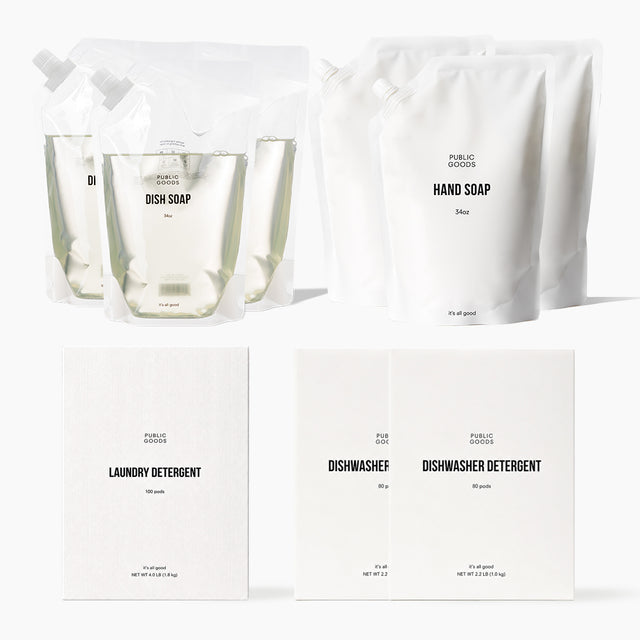
The catalog spans household essentials, personal care items, kitchenware, and grocery products. Household products form the largest category, followed by personal care offerings and kitchen & dining goods. The range includes specialty items like sponge holders and curated product sets, alongside a membership option for frequent shoppers. Public Goods emphasizes quality and longevity in every category—materials are selected to last, and designs integrate seamlessly into any space without feeling trendy or dated. The brand's product feed shows depth in core categories, suggesting serious investment in household cleaning, bath, and bedding essentials rather than a shallow marketplace. Prices span from budget-friendly entry points to premium items, accommodating different spending levels. The focus remains on essentials rather than novelties, so you'll find the everyday products you actually use most, approached from a carefully considered angle.
Pricing Strategy in the Essentials Market
Public Goods prices range from $8 to $95 across its 163-product catalog, positioning itself in the mid-to-premium segment of home essentials and personal care. This pricing reflects the brand's emphasis on quality, durability, and safety over conventional budget alternatives. You're paying for thoughtfully sourced ingredients, carefully selected materials built to last, and ethical vendor relationships—not just lower cost. Compared to mass-market household brands, Public Goods targets shoppers willing to invest upfront in products that perform better and reduce long-term waste. The wide price spread means entry-level items are accessible, while premium offerings cater to those seeking higher-end durability and design. These offers make the brand more competitive for budget-conscious shoppers without compromising the core value proposition. The pricing strategy reflects confidence in product quality—the brand believes the value justifies the cost, and promotions enhance rather than define the offering.
What to Verify Before Ordering
Review product ingredients and materials carefully before adding items to your cart, since the brand's transparency commitment means detailed information should be readily available on each listing. If you're drawn to the sustainability angle, confirm which products are covered by the tree-planting initiative to understand the full impact of your purchase. Consider the durability promises—the brand emphasizes longevity and timeless design, so assess whether a product genuinely fits your space and needs long-term or if you're buying based on trend appeal. For personal care items, cross-reference your skin or health sensitivities against ingredient lists, especially if you're switching from conventional products with different formulations. Membership options should be evaluated against your anticipated purchase frequency; if you're a one-time buyer, the standard pricing may be more suitable. Read product reviews if available to confirm that durability claims hold up in real-world use. Finally, familiarize yourself with the brand's return and shipping policies to ensure you're comfortable with delivery times and any restocking processes.
Common questions
What does Public Goods mean by minimalist design?
The brand strips away unnecessary features and trends, focusing on products that are useful, calming, healthy, and enjoyable. Designs integrate seamlessly into any space without feeling dated, emphasizing timeless aesthetics over fleeting style choices.
How does the tree-planting promise work?
Public Goods plants one tree per order as part of its earth-first initiative. This commitment applies across purchases, making sustainability a built-in feature of every transaction rather than an add-on option.
Are ingredients and materials clearly labeled?
Yes. Public Goods emphasizes transparent labeling so you understand what you're getting at a glance. Ingredients are chosen for effectiveness and safety, and materials are selected for durability and quality.