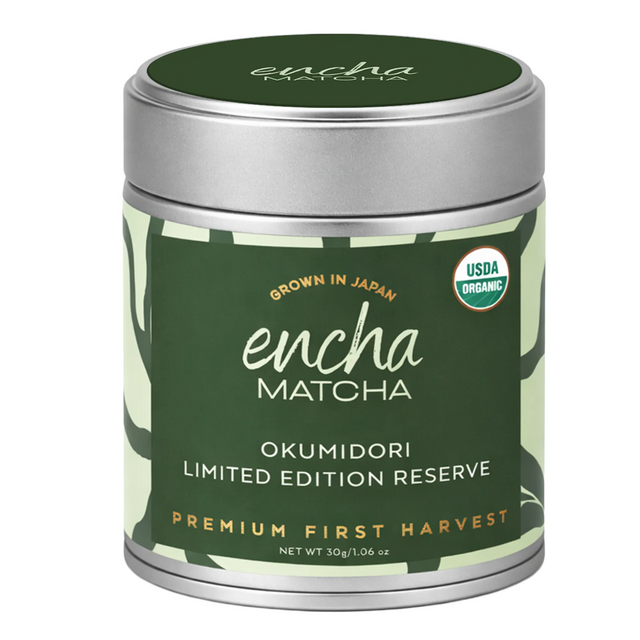
What Encha Matcha is and where it comes from
Encha Matcha operates its own farm in Uji, Japan, one of the country's most respected tea-growing regions. The brand produces three organic matcha grades, all ground from leaves harvested and processed on their farm. According to their own description, Encha never adds sugar to its matcha powder, meaning you get pure tea flavor regardless of which grade you choose or how you prepare it. This direct-to-consumer model—growing, processing, and selling their own product—gives Encha control over quality from seed to cup. The focus on organic certification and single-origin sourcing appeals to matcha drinkers who want transparency about where their tea comes from and how it's made.
Matcha grades and product range at Encha
Encha offers three distinct organic matcha grades to suit different preferences and use cases. While the brand does not publicly break down detailed flavor profiles or preparation instructions on their homepage, the three-tier approach typically reflects differences in leaf quality, color, and best uses—whether for traditional whisking ceremonies, lattes, or culinary applications. All grades are grown and ground on their own farm in Japan, so consistency and freshness are maintained across the range. The emphasis on unsweetened matcha means each grade delivers the natural, earthy character of the tea leaves without any added flavors or sweeteners masking the original taste.
How to shop Encha Matcha and make the most of offers
Start by visiting Encha's website to browse their three organic matcha grades and decide which suits your brewing style or intended use.
Common questions
Does Encha matcha contain added sweeteners or flavors?
No. Encha explicitly states that none of its organic matcha grades contain added sugar, so you get pure, unsweetened matcha powder. This approach lets the natural flavor of the tea leaves shine through in any preparation.
Where is Encha matcha grown and processed?
All three of Encha's organic matcha grades are grown and ground on their own farm in Uji, Japan. This direct farm-to-consumer model gives the brand control over quality and freshness from harvest to packaging.